A cloudless Saturday in July. The grill sputters, the cooler sweats, and every kid in the neighborhood keeps asking the same question: when can we turn on the water? If you’ve ever hosted a summer birthday or a block party, you know how quickly heat can sap the fun. That’s where backyard water slides earn their reputation. They turn a lawn into a mini water park, keep kids moving, and, to be honest, lure more than a few adults into taking a brave run. Renting the right inflatable makes the difference between a lukewarm gathering and a day people will talk about next spring.
This guide pulls from seasons of setting up slides, troubleshooting pumps, and negotiating with weather forecasts. We’ll cover how to choose the right size and style, what the fine print in rental agreements actually means, the real water and power requirements, and how to keep everyone safe without acting like a lifeguard outdoor party entertainment ideas on patrol. You’ll also find a few insider tips you won’t hear in a sales pitch, like why the sun’s angle matters and how a $15 tarp can save you from muddy chaos.
Why backyard water slides dominate summer parties
Kids have bottomless energy and short attention spans. A good inflatable focuses that energy without needing constant adult direction. A slide with a splash pad, for example, resets the play cycle every 20 seconds. A child climbs, whooshes down, sprays their friends, then hustles back to the steps. Compare that to a sprinkler, where novelty fades after fifteen minutes.
For parents, the appeal is practical. With inflatable water slides, you can rent for a day, the installer handles the heavy lifting, and you avoid the cost and maintenance of a permanent pool. Many families already rent bounce houses for parties a couple of times a year, and adding water turns up the fun without a huge price jump. For renters, setups are faster than you might expect, especially when the yard has a clear path and a decent outlet. For party planners juggling face painting, a food table, and a cake timeline, predictability matters.
Decoding the types: slides, combos, and full-blown obstacle courses
Inflatable rentals break into a few useful categories, and knowing the difference makes your choice easier.
Straight water slides are the classic. Height ranges roughly from 12 to 24 feet. Shorter slides fit small yards and younger kids. Taller ones add speed and bragging rights. A single-lane slide keeps the flow simple. A dual-lane or “racer” lets two kids go at once, which means less waiting and more cheering, but also requires more space and supervision.
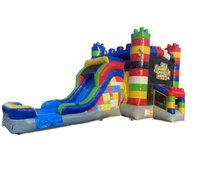
Combo units, also called bounce houses with slides or inflatable moonwalks with splash zones, pair a small jump area with a compact water slide. They’re crowd pleasers for mixed ages. Kids who don’t love water can still bounce, and the slide stays lively for the daring. If you’re trying to rent bounce houses and keep the water element, a combo hits the sweet spot for birthday parties with toddlers and grade-schoolers.
Backyard water slides with curves or splash pools add style and a softer landing. Curved runs fit where straight slides don’t, though corners take more skill from riders. A shallow splash pad works for littles who prefer puddles to pools. If you’re hosting a mix of ages, shallow wins because it avoids the “too deep” nervousness some parents feel.
Inflatable obstacle courses can be dry or wet. Water-friendly obstacle courses weave in crawls, climbs, and a final slide into a wet landing. They chew through lines quickly and keep older kids fully engaged. They also chew through space, often stretching 30 to 60 feet. If your yard can handle the footprint, they create a big-event feel.
If you’re looking at summer waterslides for a neighborhood bash, consider a dual-lane slide or a medium obstacle course. If the headcount is modest, a combo unit keeps everyone happy without dominating the lawn.
Yard realities that shape your choice
Measure first, browse second. Photos hide how big these units are, and the final setup always includes blowers and safety mats. Rental companies publish footprints, but you need clearance. A common 15-by-30-foot area fits many backyard water slides and most combos, though taller units may require more length for the runout. Add at least 3 feet of buffer on all sides for anchors and safe access.
Know your ground. The best surface is a flat, grassy area free of sprinkler heads and roots. Slight slopes are manageable, but steep grades cause two headaches: fast riders can hit harder at the bottom, and water will pool unevenly, turning one corner into a mud pie. If you must use a slope, put the ladder side higher, and ask the installer to angle so water drains away from walkways. Concrete works if you add soft mats at the entry and exit, but most water slides shouldn’t go on gravel or bare dirt.
Check the path from the street to your setup spot. Installers pull heavy carts. Narrow gates, sharp turns, and steps slow everything down. Measure the tightest point. A 36-inch gate is usually fine. A 24-inch gate is not, unless the unit is a compact toddler model.
Power is non-negotiable. Most slides need a dedicated 15-amp circuit for each blower. A small combo may use one blower. A large dual-lane slide might use two. Add a secondary pump if the unit has extra features like misting arches. You can run long outdoor-rated extension cords, but performance drops after 100 feet. If you’re far from the panel or your outdoor receptacles share a circuit with your kitchen, consider renting a generator through the same company, since they size them correctly and bring cords that won’t trip breakers.
Water supply needs are steady but not extreme. A typical mist line uses about 1 to 3 gallons per minute, comparable to a gentle hose setting. The splash pad fills at the start, then overflows gradually. Place the exit where runoff won’t flood a garden bed or seep toward a basement window. If your town has water restrictions, ask the rental company how they manage flow. Some provide throttle valves to fine-tune the spray.
Safety that lets kids go full throttle
Every good rental outfit trains their team to anchor correctly and check seams. Even so, the host sets the tone. A few habits go a long way. Designate an adult to watch the ladder and top deck. That spot is where line discipline matters, especially with dual lanes and older kids who arrive at the platform together. Shoes, glasses, and hard toys live on a towel by the entry. If a child insists on wearing a life vest, choose a snug, non-inflatable style so straps don’t snag fabric.
Weather is a judgment call. Light rain keeps the slide slick and kids ecstatic. Wind is the real risk. Most companies post a wind limit around 15 to 20 miles per hour. Above that, you deflate. If a summer storm pops up, let the blower run until kids are clear, then power down and open deflation zippers. Water will drain through the seams and base. After the squall passes, re-inflate and towel the ladder steps so little feet don’t slip.
Capacity guidelines on the unit aren’t suggestions; they’re physics. A big slide might allow two riders at the top platform, not four. If you’re hosting a mixed-ages group, run rotations. Youngers on the left lane, big kids on the right, for 10 minutes at a time. It sounds formal, but it smooths out the line, and nobody gets steamrolled.
The rental process without surprises
Good companies ask more questions than you expect. They’ll want to know your yard surface, access, power situation, water spigot location, the event time, and headcount. Clear answers help them steer you to a model that fits. Expect to put down a deposit, commonly 25 to 50 percent. The balance is due on delivery or a day prior. They should send a contract with weather, cancellation, and damage policies. Read the sections about overnight rentals, pets, and silly string. That last one isn’t a joke, by the way. Party spray can bond to vinyl and stain permanently. If it shows up, you may lose your deposit.
Delivery windows matter. Crowded weekends stretch crews thin. Most companies offer early drop-offs and late pickups at no extra charge if schedules allow. If you need a guaranteed removal time, ask early. A backyard gate left unlocked can save everyone a headache if you won’t be home for pickup.
On-site, installers should walk you through operation: where the blower switch is, how to attach the mist line, how to reduce water flow, and what to do if a breaker trips. Take photos of the unit’s condition at delivery, not because you expect a fight, but because it keeps everything clear for both sides.
Cost ranges and what drives the price
Prices vary by region and season, but some patterns hold. Compact backyard water slides suitable for ages 3 to 7 often rent in the 150 to 250 dollar range for a day. Mid-size slides or bounce houses with slides run 250 to 400 dollars. A tall dual-lane or a long inflatable obstacle course can climb to 500 to 900 dollars, particularly on holiday weekends. Add 50 to 150 dollars for a generator if you need one. Delivery fees show up when you’re more than a set radius from the warehouse or when the crew needs to climb stairs or navigate special constraints.
Extended rentals are a smart play in hot climates. Many companies offer a second day at a discount, sometimes half price or less. If your party is Saturday and your yard isn’t fussy, keep it through Sunday for relaxed family use. Ask about weekday rates too. Tuesdays and Wednesdays have more availability, and rates can drop accordingly.
Insurance is part of the overhead. Reputable operators carry liability coverage and keep their units inspected and tagged. If a quote is dramatically lower than the rest, you might be looking at a side hustle without the same standards. That can be fine for a small dry bounce, but for water slides, professional anchoring and clean vinyl pay off.
Cleanliness: what you should see and what you shouldn’t smell
When the slide inflates, the vinyl should look bright, without chalky residue or black mildew streaks. You’ll see seams and patches; that’s normal in inflatables and not necessarily a red flag. What matters is that patches are cleanly applied, with no lifted edges. The ladder steps and handholds should be firm and evenly spaced. Stick your head into the landing zone. If you catch a strong musty odor, ask about their cleaning schedule.
Good operators sanitize after every rental. They wipe with a quaternary-based cleaner or similar disinfectant, then rinse and dry fully before rolling. Drying is the bottleneck. Water slides take time to evaporate, especially inside folds. If a company turns a unit twice on a humid weekend, they need a solid shop process to avoid trapped moisture. If you’re sensitive to chemicals, mention it. They can rinse thoroughly on delivery.
Choosing between water slides for rent: matching age, space, and vibe
A 5-year-old’s backyard birthday prefers low height, a wide ladder, and a shallow splash pad. A 10-year-old’s party and the soccer team after-party crave speed. A neighborhood cookout wants throughput more than extremes. If you host mixed ages, a combo with a small slide keeps little ones safe while older kids rotate in runs on a taller slide scheduled later. That’s a trick many parents use: keep the big slide dry for the first hour while younger kids arrive and settle, then turn on the water when everyone’s ready and line rules are clear.
Space makes unexpected choices smarter. A curved slide can fit a narrow side yard that a straight slide can’t. If your grass is delicate or freshly sodded, consider a unit with a broad base that spreads weight, and lay an underlayment tarp. Concrete patios can host inflatables with proper padding, but tell the company so they bring sandbags instead of stakes.
Power, water, and the truth about hoses
Bring the right hose. A cheap 25-foot vinyl hose can kink, restrict flow, and jam the mist line. A 50- to 100-foot heavy-duty hose holds pressure and resists kinks around corners. If your spigot sits far from the setup area, run multiple shorter hoses rather than a single flimsy long one. Keep connections snug with new washers to avoid mid-party leaks. If you plan to throttle water down once the splash pad is full, use a split valve with individual shutoffs. It’s cleaner than twisting the spigot back and forth.
Power cords should be the outdoor, grounded type, typically 12-gauge or thicker for long runs. Avoid daisy-chaining multiple light-duty cords. If your breaker trips more than once, call the rental company before you start flipping random switches. They’ll help you isolate the circuit or advise a generator.
Weather strategy: sun, shade, and sudden showers
Vinyl heats up under direct sun. Darker colors can get hot enough by late afternoon to make feet hop. That doesn’t mean you need a shade structure, but plan to run the water continuously during peak sun and have a towel path or foam mats for the ladder. If you have a tree casting light shade over the ladder side during the hottest hours, that’s ideal. Avoid placing the unit where midday sun aims straight at the top deck, since that’s where kids pause. If you can’t avoid it, consider a small pop-up canopy staked safely off to the side to shade the waiting line, not the slide itself.
Light showers don’t hurt. Thunder cancels play. If you see distant lightning, call a break. Deflate if storms build. When you re-inflate after rain, check for water pooling under the tarp. A quick broom sweep redirects the flow and keeps things from getting swampy.
Set it up for smooth flow
The best party setups create a natural circuit. Place the entrance where the line can curve along a fence or garden, away from your food and away from the exit zone. Keep the exit pointed toward open grass so kids can peel off without bumping the next rider. A plastic table becomes a “shoe and glasses station” beside a stack of towels. A simple sign with rider rules works better than repeating yourself. If you have a lot of small kids, a parent volunteer with a whistle and a smile keeps the top deck from turning into a scrum.
If you add music, aim speakers away from the ladder. Kids raise their voices to compete with sound. A cooler with water bottles near the line encourages mini breaks, which helps when the day runs long.
Water use and lawn care after the fun
People often ask about water waste. A water slide’s mist line uses far less than a sprinkler running wide open. Over a 4-hour party, you might run 200 to 500 gallons depending on the setting, roughly the equivalent of a modest car wash or a deep lawn watering. To be smart about it, lower the flow after the splash pad fills, and let overflow water irrigate a part of the yard that needs it. If your soil compacts easily, lift the tarp corners every hour to let water move.
After pickup, grass under the unit may look matted. It perks up in a day or two. If you’re worried about yellowing, water lightly that evening to cool the blades and rinse any residual cleaner. Avoid mowing the same day, since wet grass tears more easily.
When to upgrade to an inflatable obstacle course
There’s a moment when kids age out of simple slides. Around 9 to 11, they want challenge and speed. A wet obstacle course scratches that itch. It also organizes the crowd. The path through tunnels and over pop-ups naturally spaces riders, which means fewer pileups at the top. If your budget can stretch and your yard can fit 40 or 50 feet, obstacle courses keep preteens engaged for hours. They work well for school field days and team parties, where you can run timed relays and watch the competitive spirit kick in.
What rental companies wish every host knew
They wish you’d check sprinklers. Pop-up heads hide until a heavy base settles on them, and the fix is expensive. Walk the yard and flag every head with a stake or a plastic spoon. They wish you’d clear pet waste the day before. Nothing slows a setup like cleaning the site first. They also wish someone would be present and reachable by phone for 15 minutes during delivery, even if they have gate permission. That quick check-in catches surprises like a tripped outdoor GFCI outlet.
If you’re set on a particular theme, book early. Summer weekends fill, and the dinosaur or mermaid combo you saw online might be out by the time you call. Look for flexibility too. A good operator will offer backups if weather changes. Some slides can run dry if water restrictions pop up last minute.
The case for renting local
Local operators know your soil, your winds, and your city rules. They’ll tell you if stakes are allowed or if every unit must be sandbagged. They’re also more likely to send a crew for a quick fix if a blower hiccups mid-party. Ask neighbors who they’ve used. Repeat bookings tell you more than slick websites. A company with a clean, well-maintained fleet and honest advice is worth a modest premium.
The small details that elevate the day
Aroma matters. Chlorine-scented wipes on the ladder keep it fresh and give parents confidence. A single pool noodle at the exit keeps the line playful without creating a weaponized toy pile. Waterproof wristbands with two colors let you split riders by age if things get crowded. A basket of sunscreen near the entrance saves a lot of “where did we put it” conversations. If the budget allows, rent two units: a toddler-friendly combo and a taller slide. It halves the line pressure and avoids the “too scary” debate.
Finally, plan a quiet five minutes for cake and breath. Announce last call for runs, then shut the water while everyone gathers. It lets the slide drain a bit and gives kids a reset before they sprint back for a final round.
Quick host checklist for inflatable water fun
- Measure the setup space, including clearance, and check the access path for width and steps. Confirm power and water: dedicated outlets, heavy-duty hoses, and distance to spigot. Discuss safety and weather policies with the rental company, including wind limits and cancellation. Prepare the yard: flag sprinklers, clean up pet areas, lay a tarp, and plan the line flow. Set expectations: age rotations, shoe station, and a designated adult at the ladder.
When bounce houses beat slides, and when they don’t
Dry bounce houses for parties shine in spring and fall, when evenings cool quickly and water feels chilly. They’re simpler to supervise, usually cost less, and can tuck into smaller spaces. They also keep socks on, which parents appreciate indoors or on patios. But in heat, inflatable water slides win. They keep core temperatures manageable and let kids play longer without fizzling out. If you want a middle ground, bounce houses with slides offer a bit of both. They start dry for morning play, then you connect the hose when the day warms.
If you’re organizing a school fair or a church picnic, mixing units works best. A standard bounce, a combo, and a medium water slide spread the crowd by interest and age. For big summer events, a headliner slide paired with a shorter secondary unit keeps your lines fair.
The truth about set-down spots and anchor methods
Most backyard set-ups use stakes, typically 18 to 24 inches long, driven at angles. Good crews bring plenty and use every anchor point. If your lawn is a no-stake zone or you’re on concrete, sandbags replace stakes. That means more trips from the truck. It also means you need more clear space around the unit because sandbags take up room. If you’re on a deck or pavers, talk to the company about load and placement. Vinyl feet under sandbags prevent scuffs, and foam mats protect exits.
Ask how the crew will handle runoff. A rolled towel dam at the corner can redirect water toward a thirsty shrub bed and away from a walkway that turns slick. A simple garden rake stands ready to break up puddles forming under the tarp.
Real-world case notes from recent rentals
A family with a narrow yard measured 28 by 12 feet of usable space. A straight slide wouldn’t fit, but a curved 15-foot slide with a splash pad nestled along the fence with room to spare. They set the entrance near the patio and the exit into open grass. Kids cycled easily, and adults kept dry with chairs in a shady corner.
A youth soccer team booked an inflatable obstacle course for an end-of-season party in early June, paired with a small basic slide for siblings. The course ran 45 feet with a final splash. With 28 kids, lines stayed under five minutes. A parent used a whistle to send riders every eight seconds, a pace that felt fast but safe. No collisions, lots of laughing, and plenty of bragging during the medal ceremony.
A neighborhood block party rented a dual-lane 20-foot slide and a generator because outlets on three older homes shared a circuit. The company set the generator away from the gathering and ran thick cords under mats. They kept the mist line at a medium flow, so the splash pool overflowed into the gutter rather than into someone’s garage. The crew returned after dark for pickup because streets were crowded earlier, a reminder that communication with the rental company saves stress.
Final thoughts before you book
If the forecast is warm and the guest list is wiggly, water slides for rent deliver maximum smiles per dollar. Choose a unit that fits your yard and your ages, not just the flashiest photo. Ask the rental team candid questions about space, power, and safety. Think through the line, the shoes, the towels, and the shaded waiting spot. If you’re torn between a bounce and a slide, combos give you flexibility, while inflatable obstacle courses bring out the big-kid energy. With a bit of planning, inflatable water slides turn a regular afternoon into a memory machine, and that’s what you were after in the first place.